
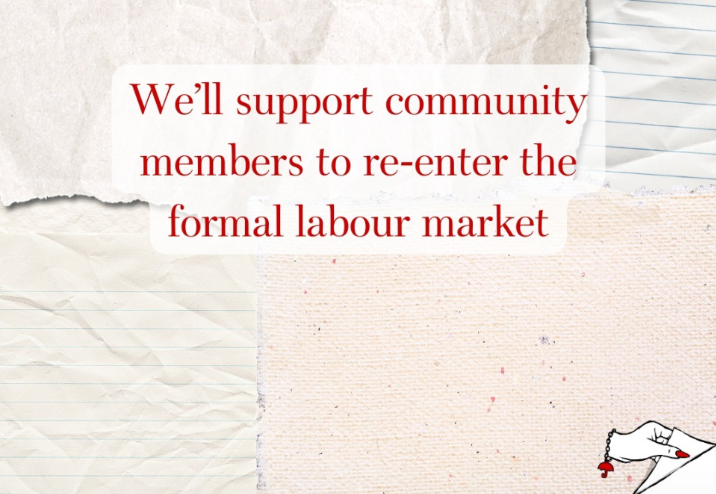
The Scarlett Letters bookshop wasn’t advertised like your typical sex work exit scheme. The director called it a hub for resistance, a community project, and was not exclusively hiring those with lived experience of sex work. Still, employment at the bookshop came with the same promises for me that any other funded pathway to leave prostitution might; that the job would enable me to stop selling sex and serve as a jumping off point for future traditional work. With the additional benefit of platforming marginalized writers and serving as a community space for sex worker led events, it sounded like a dream come true.
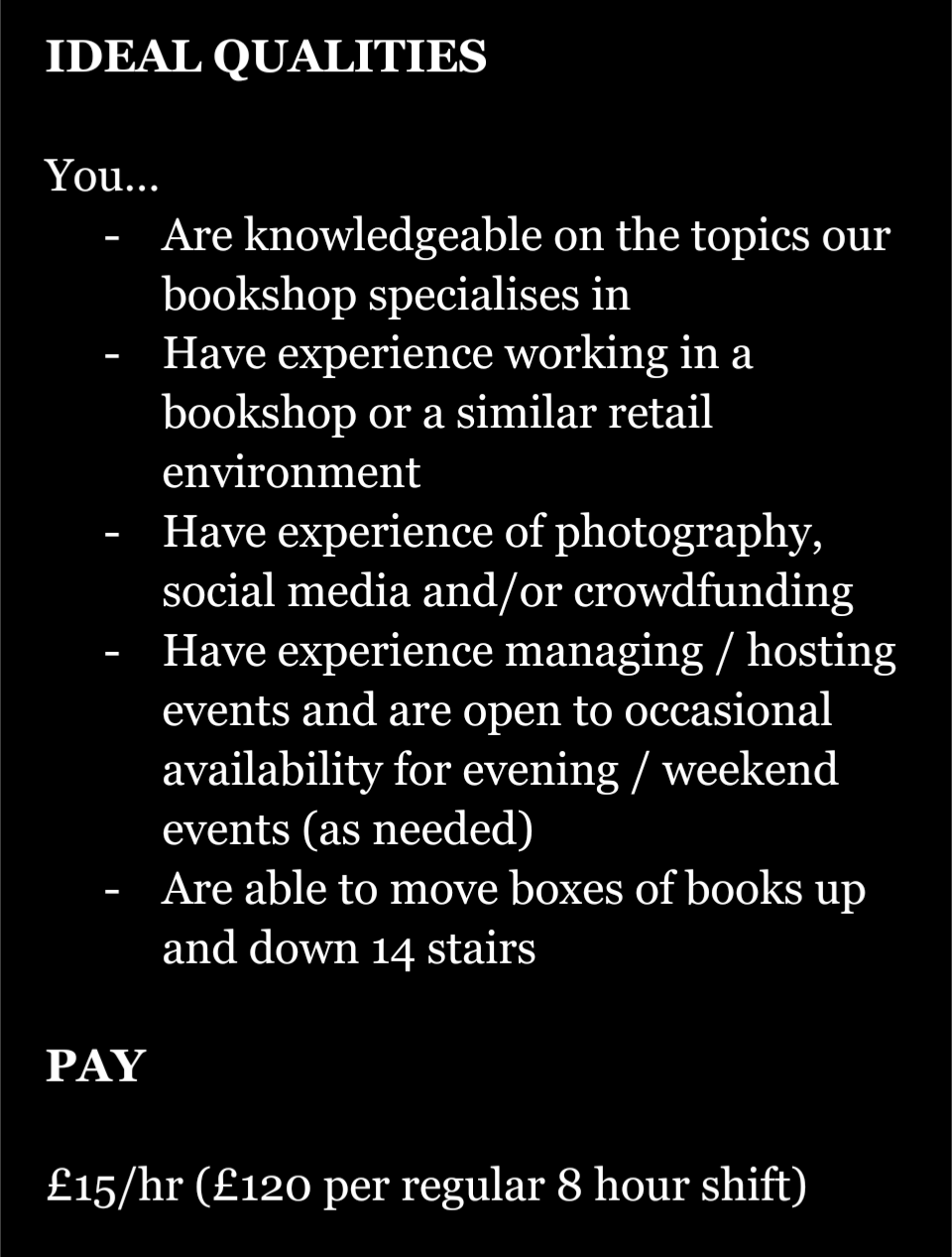
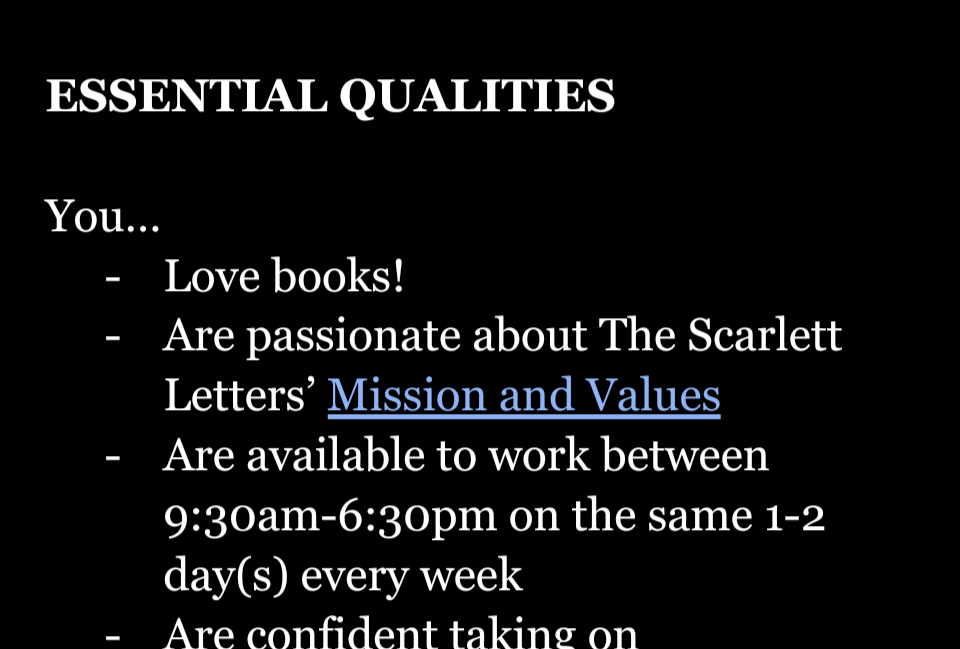
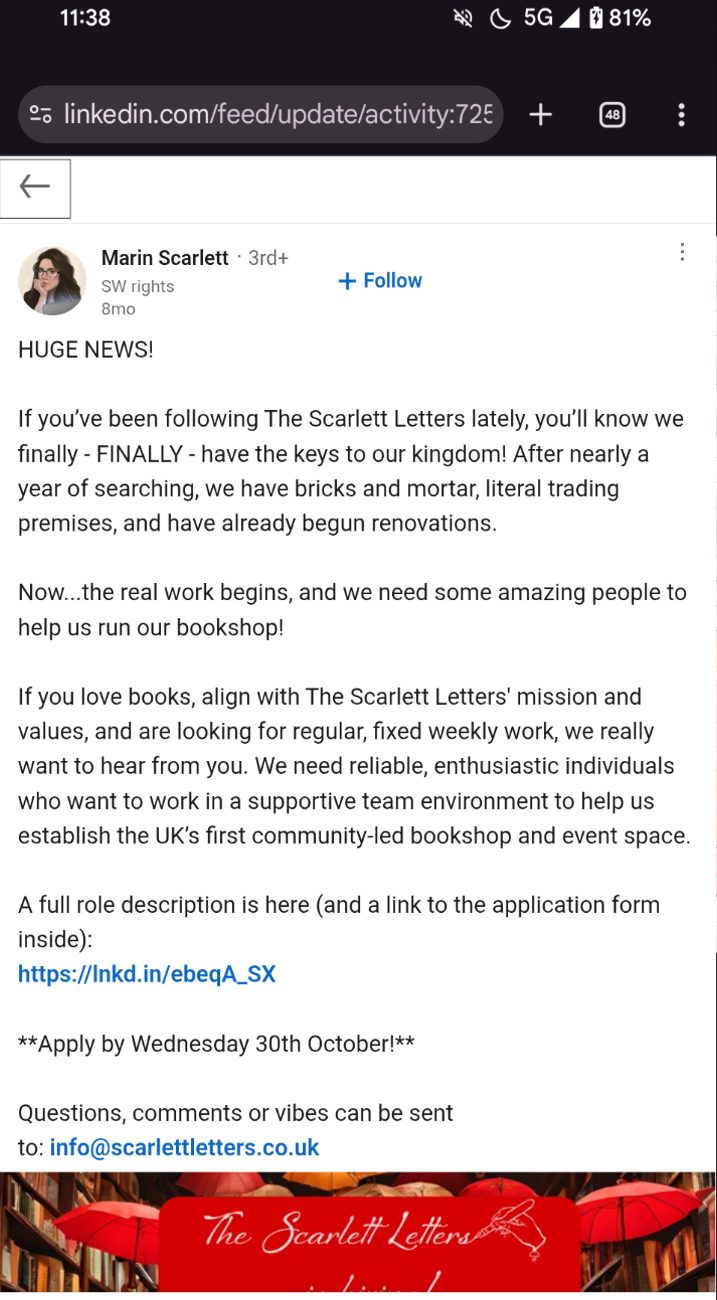
When I decided to have a baby, I planned to take a longer break from selling sex than I’d ever managed before. I wanted to stop by the time I reached the second trimester and not restart until I had fully recovered from childbirth. All together, I wanted to be able to take just over a year off. The Scarlett Letters seemed like a realistic way to achieve that; the director, who was my friend at the time, assured me that if I became a bookseller I would be entitled to parental leave pay and have consistent contracted hours. The contract part was vital, because it would let me reference to rent when moving home without linking my bank account and having to explain my sex work income.
Bartending full-time made my arthritic pain intolerable. Working in the charity sector was soul-sucking and frayed my mental health. Being a night porter offering emergency care at a retirement village was traumatizing and I was not qualified for it. Every job I could get to consider hiring me couldn’t accommodate my disabilities, so I failed to keep them for long – if my precarious housing situations didn’t force me to move too far to commute before that. By Autumn of 2024, I had started trying to conceive and was becoming desperate to find work before I succeeded. I jumped at the chance to apply for a bookseller role.
From the start, I was honest with the director about my situation. I didn’t need to lie to her about the glaring gaps in my CV or lack of formal education in adulthood, nor to worry about her looking me up and refusing to hire me for being a prostitute. She already knew from our time being friends and working together. I’d also talked a lot about how I was currently trying to start a family, prompting her to reassure me that this job would meet my needs to do so. It felt too good to be true and it was.
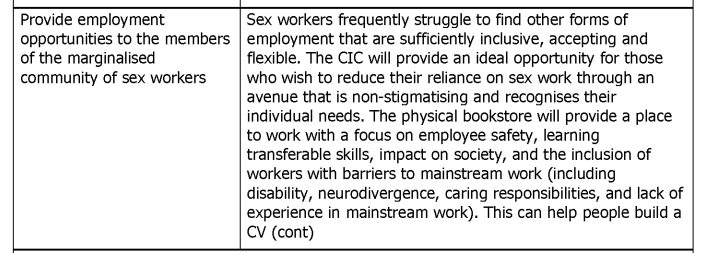
The red flags came in thick and fast from the moment the application process started. I kept my mouth shut about them, out of concern that being viewed as difficult would stop me from getting hired. My soon-to-be boss shared the details of other future employees’ answers to questions and mocked them to me, asked my opinion on whether to hire mutual friends who we both knew sorely needed the employment, and requested free labour advertising the bookshop as we approached the opening date.
It took months from the first mention of this job opportunity for it to actually come to fruition, for reasons that were not the director’s fault. One premises fell through and the second became damaged beyond viability while we scrambled to refurbish it in time for the planned opening date. I helped paint, told everyone I knew about the shop to build hype, and attended various book events with the director where my only compensation was the right to sell copies of my own books from the same stall. I even sold copies of The Scarlett Letters’ first zine at London Anarchist Bookfair on a stall I paid for myself. I did all of this whilst waiting to find out for sure if I had even been hired, though it was continuously implied that I would be selected and that I would be one of those offered more hours if I was. I kept up this free work because I wanted to ensure that I would be picked and prioritized.
In hindsight, I provided a lot of value during those months. I was open about being a sex worker at the book events I attended, stressing the importance of a space like The Scarlett Letters where sex workers could be platformed and hired. I spoke at length about how rare it was for employers to consider us and the difficulties I’d already faced publishing Working Guys: A Transmasculine Sex Worker Anthology that made me keenly aware of the barriers to getting books about sex work into shops. As with plenty of exit programs, The Scarlett Letters used this framing to obtain funding. Groups like the Josephine Butler Society offered money to the bookshop specifically so that people like me could find employment outside of selling sex, and some of my co-workers were asked to provide testimony to them.
Usually I’d balk at the idea of being used in this way to obtain money for a small business. The reason I didn’t walk away this time was because I thought we were suffering these indignities of detailing our struggles for a cause. I’ll gladly divulge some of my worst experiences on this website for the sake of education and I have done so to groups of medical professionals and support workers at homeless charities when offering training, so why not do the same so we could have a physical space for sex worker events and a job where I was treated well? When I had doubts, the director told me to think of the Christian “rescue” programs for prostitutes who would otherwise take the sort of funding we were seeking.
Just before I was finally told that I’d gotten the job, after an interview period and several paid sessions painting the inside of the shop, we held the launch for an anthology I put together of transmasculine sex worker experiences. It was the first event at The Scarlett Letters. Tickets sold out and I was blown away by how amazing it was to have a venue where we could have sex workers perform and speak with no apology.
Another red flag for the kind of space The Scarlett Letters was going to be: the lack of care for paying the sex worker performers and speakers at this event. I paid upfront for the copies of the books to be sold at the event, rather than the bookshop, despite being below the poverty line and knowing I couldn’t pay my rent if I didn’t recoup the cost. I also gathered the sex workers who would be entertaining on the night, who I promised a profit-share to because I couldn’t afford to pay them upfront and guarantee exact numbers. The director knew these costs had exclusively fallen to me, but even though she’d been the one to insist I host the launch with her no consideration was given for the financial strain it put me under.
Once I totalled up our earnings at the end of the evening, I realized our profits had been a little less than I hoped. Many of those who attended already had copies of the book, due to the launch being pushed until long after the publication date because it took so long to secure a location. I split the profits between all the performers and speakers besides myself, earning nothing from the work I put in, and still felt guilty that I couldn’t pay people more. I kept thinking that I could have hosted the same event nearby for a small venue fee that would have been less expensive than splitting revenue with the bookshop, then berated myself for not being more willing to make sacrifices for such an important project.

Even this picture of the event brings back a frustrating memory. The director was shown this picture after it was taken and mentioned wanting to post it on social media, to which an attendee replied that she’d need to blur faces first. I remember the director cringing, like she thought it was too much effort, but told myself that surely she wouldn’t ignore that advice knowing many people who came were not face-out and couldn’t risk being identifiably shown. Not long after, I saw her post the uncensored picture. Again, I said nothing because I needed the job. I convinced myself the issue was minor.
Putting in all this work and resisting the urge to call things out seemed to pay off in at least one way – I was offered a bookseller position and asked to come in for training towards the end of 2024.
Besides one brief chemical pregnancy and early miscarriage, all my pregnancy tests had come back negative, so I knew I’d start the job before conceiving. Entitlement to some level of parental leave pay was secured, or so I thought. Then I attended the training session and found out in front of everyone that I’d only been given one day a week of work, when we were all directed to a rota stuck to the wall. Another co-worker got the same nasty surprise. 12 of us were hired to run the bookshop 7 days a week with 14 total shifts on offer, and the director had over-promised. I would later find out that she had been relying on people quitting to eventually offer more days to those she’d offered them to, which obviously didn’t occur because we all needed the job so badly!
I instantly tried to recalculate how I would survive on one 8-hour shift a week without sex work. I would earn only £480 per month instead of twice that. To get government maternity pay, a person must make £125 per week, so I’d need to pick up a couple of events or an extra shift every single month to make sure I qualified. Saying I was disheartened is an understatement. This is a problem with lots of exit programs for sex workers – to claim to help a more impressive number of people, each one has to receive less from the total available. At a certain point, what is offered drops below genuine utility. This was the start of that downward spiral.
The contracts we were given, after we’d already started the job, were zero hours contracts. A major appeal of the job was that it would be employment we could all reference with, so this was a big blow. Our boss promised they were temporary and that we would get permanent contracts with fixed hours in January. She blamed our inconsistent schedules over the Christmas period with the last-minute hiring for the need to use zero hours contracts temporarily.

Barely more than a month after starting, these zero hours contracts were used against us. Our opportunity to switch contracts in January never materialized, then the director decided to close for two weeks for refurbishments. This meant going unpaid for the time we were shut, leaving me to panic about how I’d pay bills and increase the number of clients I saw that month. Almost as soon as these refurbishments were finished, in the midst of trying to find another traditional job and being rejected from everything (even cleaning jobs and Krispy Kreme), I started getting intense nausea and a positive pregnancy test soon followed.
Although I was in a far worse position than planned, with extra shifts I was just about meeting the minimum amount of earnings required for government maternity pay and expected to get my fixed hours contract eventually. Without the job, I’d not only have to use selling sex as my sole income again, I’d also be giving up future time with my baby and space to heal after pushing them out. I tried to keep a positive outlook, especially because the job itself could be really fun (on the days my boss wasn’t hovering over me and outing me as trans or as a sex worker to customers).
Then she cut our hours. From 8 hour shifts to 7. A unilateral decision made in spite of the fact she’d cultivated a staff of people who needed all the hours we could get. It put me under the eligibility threshold for maternity pay, including with the events I took on as overtime. We would have been protected from this loss of hours with the original contracts we were promised, so the decision to put us on zero hours contracts now felt like a calculated lie. What was best for us was deprioritized compared to what was best for the business, like many sex worker exit programs which are more about public image than the people they claim to support.
I told my boss I was pregnant right away. One reason for disclosing was that she had once been my friend, and while that relationship had rapidly deteriorated on my end the moment she hired me I still wanted to make excuses for her. She’d shown interest in my progress towards parenthood and seemed excited to find out when I was pregnant. The second reason I disclosed, and one that made me feel gross to have to consider, was that she might be more inclined to provide the job security she’d promised us all if she was immediately aware of how dire things were for me. Once again, she reassured me I’d get the maximum parental leave she could manage for me (with no clarification as to what this meant). Around this time she also told me of plans to fire another employee, with the implication that I might pick up the extra shift once they were gone.
Within a week of informing her of my pregnancy, I became sick enough from pregnancy nausea for it to impact my ability to work. It was debilitating, I was stuck in bed, and I wasn’t even entitled to statutory sick pay because of my low average weekly earnings once factoring in the January closure. I took time off during this, not even able to sell sex and weak from lack of ability to eat without immediately vomiting. The situation gradually became so bad that I couldn’t afford rent or food for the next month and I forced myself into my shift at the shop.
All day during that shift I was struggling. I spent my one hour break in the reading nook chair, drinking peppermint tea and hugging myself, after going to the downstairs toilet more than once to throw up. Having no access to sick pay left me with no choice… and as an added kick in the teeth, I got a text from my boss afterwards urging me not to come in while I was so unwell. How could I not, when I was about to have a baby and my financial situation was only getting worse? Luckily for her, she got what she wanted fast, because a few days later I became so sick again that I couldn’t sit up without vomiting. When I told her I’d still be off of work, she told me to crowdfund.
A friend helped me begin to crowdfund. I dragged myself to a coffee shop and drank a flat lemonade, still the only thing I could keep down on what was a good day for my 24/7 morning sickness. Focusing for long enough to make a GoFundMe had been beyond me before that, through how horrific I felt. The day it went live, I got messages and a voice note from my boss:
“I’ve been conscious of obviously, you not being able to work, and therefore like, that you might need a bit more support and look… it’s a really tough one as like, I have my boss hat and then I have my friend hat. As a boss, it’s very clear that like yeah, at the moment, ideally, you should take all the time off you need because I can see when you’re dragging yourself in that you’re not really fit to work and you shouldn’t be coming in. That’s not said with malice or anything. Human to human kind of thing. As your friend, totally understand like, money, needs money, but we should do that as friends and that’s separate. Obviously I’m really glad there’s a GoFundMe now because I was thinking to myself like, surely that’s coming up, which is why I asked if I could get you some groceries or some vouchers or something like that. Yeah, let’s like, steer towards a mutual aid thing, where it’s outside of the bookshop and stuff and you can actually just like, take time off because you clearly need it.”
The expressions of concern and kindness throughout only made me more frustrated. I was fundraising from other sex workers and people who didn’t have much for themselves, having no stability and no way to build a longer-term safety net. Sick pay for the reduced hours wouldn’t have fixed everything, but it would have stopped me from becoming quite so terrified. I would have had the money for a taxi to my doctor’s appointments so I didn’t throw up on the street repeatedly walking from the bus into the hospital. It would have been a buffer. I also knew the bookshop could afford to pay us while off sick, because of details the director had already told me about our funding, and that not doing so was a choice to be able to save more.
Throughout this time, no matter how sympathetic she was to my face, the director was making plenty of deeply hurtful comments about my pregnancy behind my back. She disclosed it to co-workers before I was ready and after promising me she wouldn’t, telling one that I was much prettier since stopping testosterone. That stung even worse than it always would have, because I’d opened up to her about how miserably dysphoric it made me to stop HRT. She later told another of my co-workers that I was not “making good choices” in regards to saving for maternity leave when in a discussion about sick pay.
In March, we were promised fixed hour contracts yet again, with the excuse that they were not given earlier because not all workers were “reliable” enough. The director said we’d get the contracts very soon. Seeing the pattern laid out here, I’m sure it will surprise no-one that we did not.
One of the other big downsides to a lot of sex worker exit programs is that the people who run them tend not to fully respect the sex workers they are supposed to be supporting. They often see themselves as saviours who are above those they help, expecting them to show constant gratitude, and are known for making belittling or patronizing comments. I expected we’d be spared this sort of humiliation at The Scarlett Letters. I was wrong.
Leading up to our unionization in April, the director created a hostile work environment in a number of ways: disclosing employees’ assigned sexes, not allowing us those of us who are sex workers to tell people but outing us when she saw fit, racist microaggressions towards staff, transphobic and sexist comments on a repeated basis about “AFAB” staff being shorter and presumed weaker and less capable of saying no, saying she didn’t want to provide sick pay because “so many workers are disabled”, complaining that guest authors were the “bad kind of neurodivergent”, and making jokes that she was going to be cancelled for not hiring any trans women (including saying that all the trans women who applied “just weren’t as good” as those of us she did hire).
Somewhere between her making it obvious that she thought I was poor due to my own irresponsibility and wielding her new power as my boss to offer extra hours only to those she liked best, I had stopped speaking my mind. I shut down and offered platitudes in the same way I did with clients who spouted bigotry that I was hoping not to lose because I needed their money so badly.
April came and we, the booksellers, agreed to collectively organize. We sought out UVW (United Voices of the World) to guide us through our efforts as a home for that union. Demands were sent and a meeting was arranged. That meeting had to be rescheduled because of a personal emergency in the director’s life that occurred shortly before the initial date. Most of the staff had no idea what had happened but immediately agreed to delay, on faith that the situation was severe.
Since this happened, the director has been claiming that a lack of care was shown to her during a time that she was experiencing a traumatic event. I am not sure what to make of that. We were accommodating, those of us who knew respected her privacy by not disclosing what had happened, and more than one of us checked in on her and offered significant support. Her mistreatment of staff and our complaints about it did not begin in April, and the compassion we showed all happened with a backdrop of her repeatedly threatening us with firings and denying us the fixed-hour contracts which were our most basic demand. We just wanted the things she’d been promising us for six months.
I have a lot of empathy for what she has been through, which she has now shared publicly in her writing for Lumpen. What baffles me is what this tragedy has been used to justify, encompassing events that happened before it. Were we expected to cease asking for the contracts we were promised, which some of us needed to avoid homelessness? How much time should we have tolerated the current conditions for, waiting to see if we were among the half who would be fired to make way for a manager and pay their wages? Was there any version of advocating for ourselves that wouldn’t have us framed as being accountable for our boss’ mental health?
I didn’t personally reach out to offer support because I wasn’t the right person to do so. Behind the scenes, I advocated for us to offer her time and space despite the urgency of our needs as workers. Our friendship had eroded due to the boss-employee dynamic and the preferential treatment we received in the workplace if we agreed with her more, but I still cared.
By mid-June the director had announced on social media that she was shutting the shop at the exact same moment she e-mailed those of us who actually worked there. I found out I lost my job from Instagram. We experienced a speed run of union-busting tactics, with the announcement of the closure coming just before we could legally go on strike as we had voted to do. She didn’t even say when she’d be closing… just that it was soon.
Many of us asked when our last shift would be over the following weeks. We went ignored.
I immediately knew I would have to sell sex again, despite then being well into my second trimester, because I would be losing my bookseller income. Any chance at parental leave pay was lost. With have no job to ease back into once my baby came and no income to reference for my imminent move, I knew I needed to secure as many bookings as I could. These encounters, with clients at the intersection of trans chasers and pregnancy fetishists, were more violent than average. I suffered more than one assault before my employment ended.
Not only did The Scarlett Letters fail to meet the basic promises made by the director in terms of our employment, but she’d made sure that we couldn’t use our time there as a reference either. The explanation in the announcement was such that any future employer would be put off when looking up my last listed place of work. Who would hire me at 6 months pregnant anyway? Once I lost my job completely, I knew there was no alternative to making sex work my primary income again.
A meeting was swiftly scheduled for the end of the month and we were told it was to explore our options. It was arranged through a redundancy company. Based on our imminent strike action which we would soon legally be able to begin, the latest the bookshop could shut was the second week of July. Knowing rent was due on the 1st, it seemed like a very real possibility that our redundancy meeting would involve being told we had already worked our last shifts.
Left with no other choice after requests to transfer ownership were ignored, we tried to arrange a meeting about something other than redundancy to discuss the stock being donated. We’d built up skills as booksellers that we couldn’t use unless either The Scarlett Letters continued to exist or we created our own bookshop. Without the same capital to start up as our founder, we knew the uphill battle would be made far easier by already having enough books. She declined with claims it would be impossible or illegal to do this, even though she hadn’t deigned to listen to our suggestions.
A fundamental issue with projects that offer jobs to sex workers through a hierarchical structure, funnelling funding through a business or charity and becoming subject to the priorities those structures necessitate, is that they’re resistant to shared responsibility. We were open to transferring directorship so that she could step away during an immensely difficult time, and to forming our own worker co-op with the same goals as the CIC to make donating the books possible after that was rejected. Except when the place is run together with the people who need the work, you can’t take sole credit for the project continuing to employ them, can you?
The ultimate end to The Scarlett Letters was explosive. We occupied the bookshop in time to all tune in to our redundancy meeting from inside, announcing that we would not be leaving until we came to an agreement about the stock. Less than 24 hours after that announcement, she had brought a team of over a dozen people to drill through the locks and dismantle the space while some of us slept downstairs.
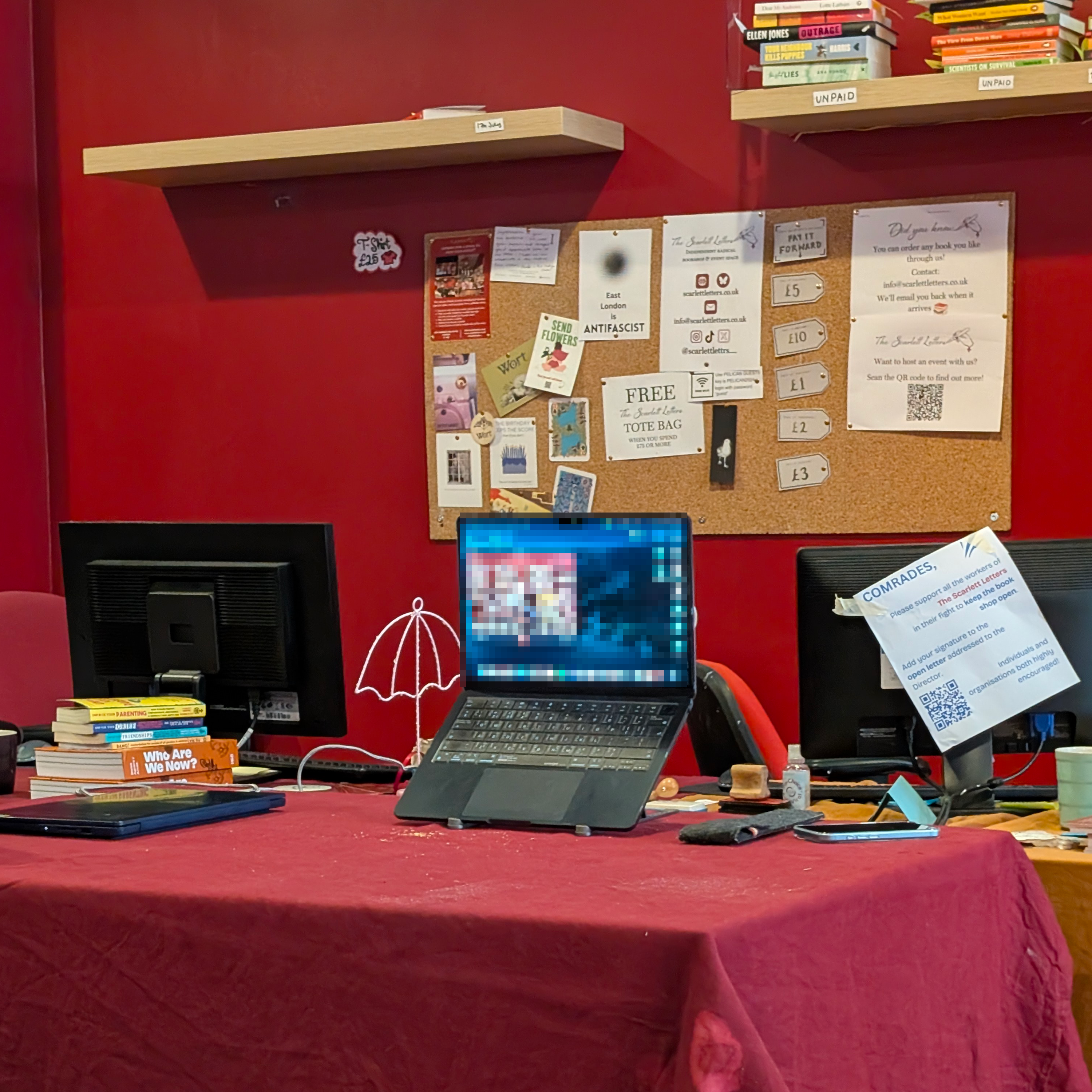
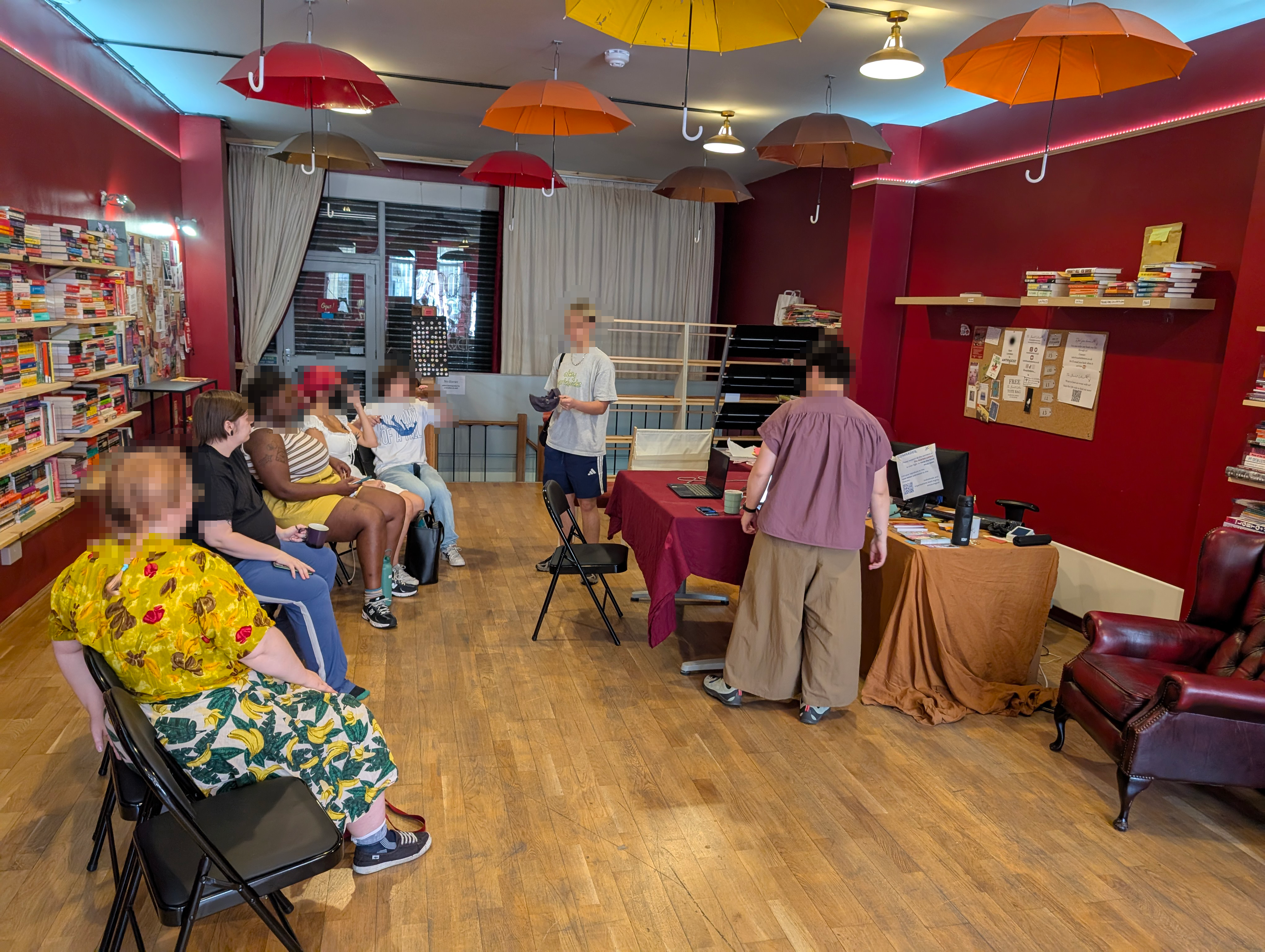
People came to show their support all through the day that we occupied. We met with various worker co-ops, union members, local leftists… and of course sex workers. All we wanted was what we were assured The Scarlett Letters would be, a community space and employment opportunity for marginalized people, particularly sex workers.
For my sex work exit strategy to work, even just for the break I needed to have my baby, I was always going to be stuck relying on a third party not to fuck me over. This felt like another setback, condemning me to longer in poverty before I could begin to try desperately crawling my way out of it again. I clung on to what this job could have been, what the bookshop could have provided as a space for all kinds of marginalized people. I had heartache over the homeless man who regularly came by for snacks and a warm drink, who now might not have somewhere to go for that.
Occupying the bookshop was a last-ditch attempt that we were never confident would work. We did so at great personal risk and expended all our efforts and time. I didn’t participate while heavily pregnant because I thought it would be fun or impressive, no matter how much I try to romanticize it in my head to cope with how awfully stressful it was. I did it because I was so sick of getting screwed over by jobs and circumstances that left me still seeing abusive clients I couldn’t afford to refuse. How could I stand this cosmic joke of a vanity project that had tricked me into believing I could actually take a break from selling sex?
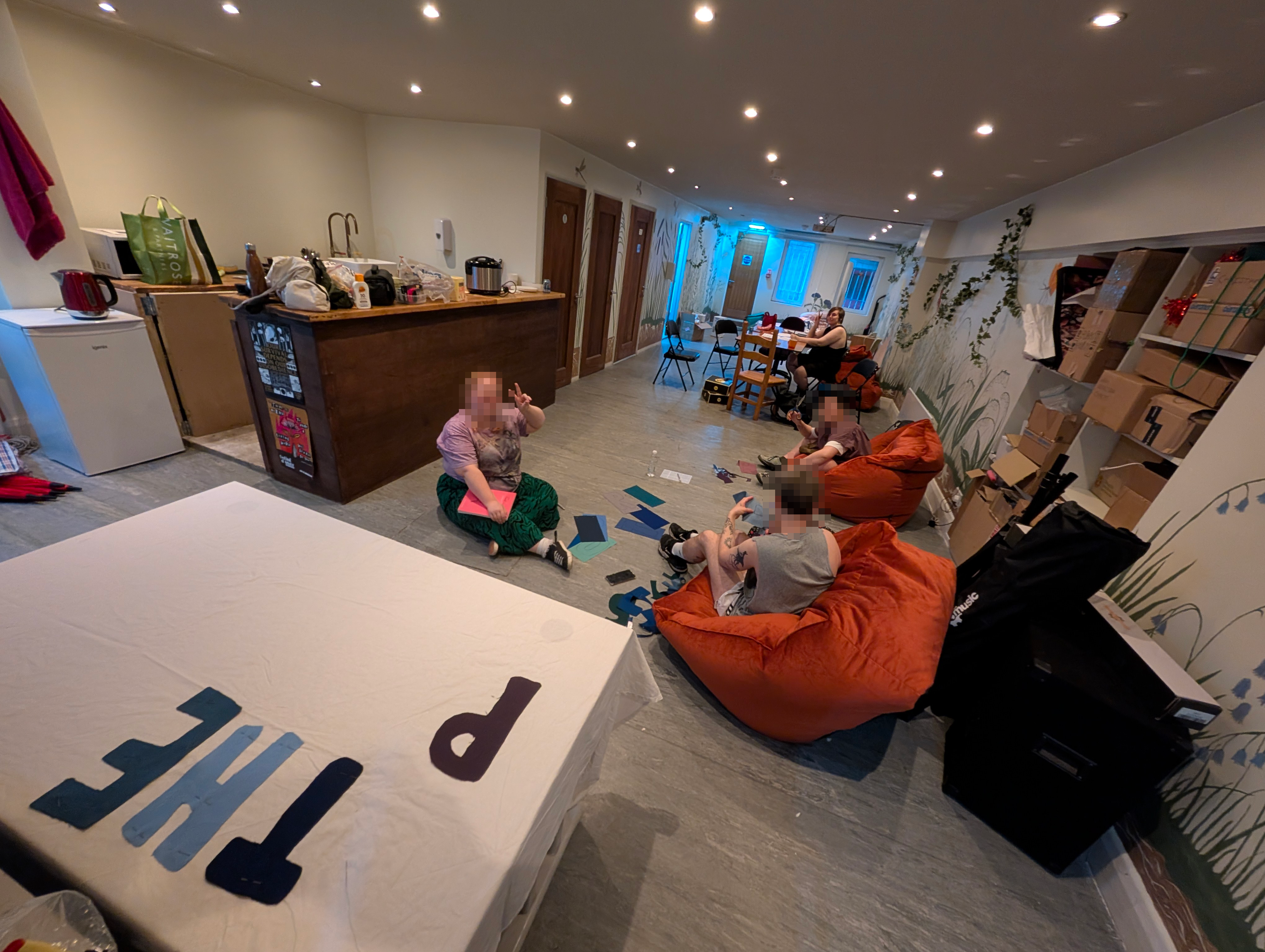
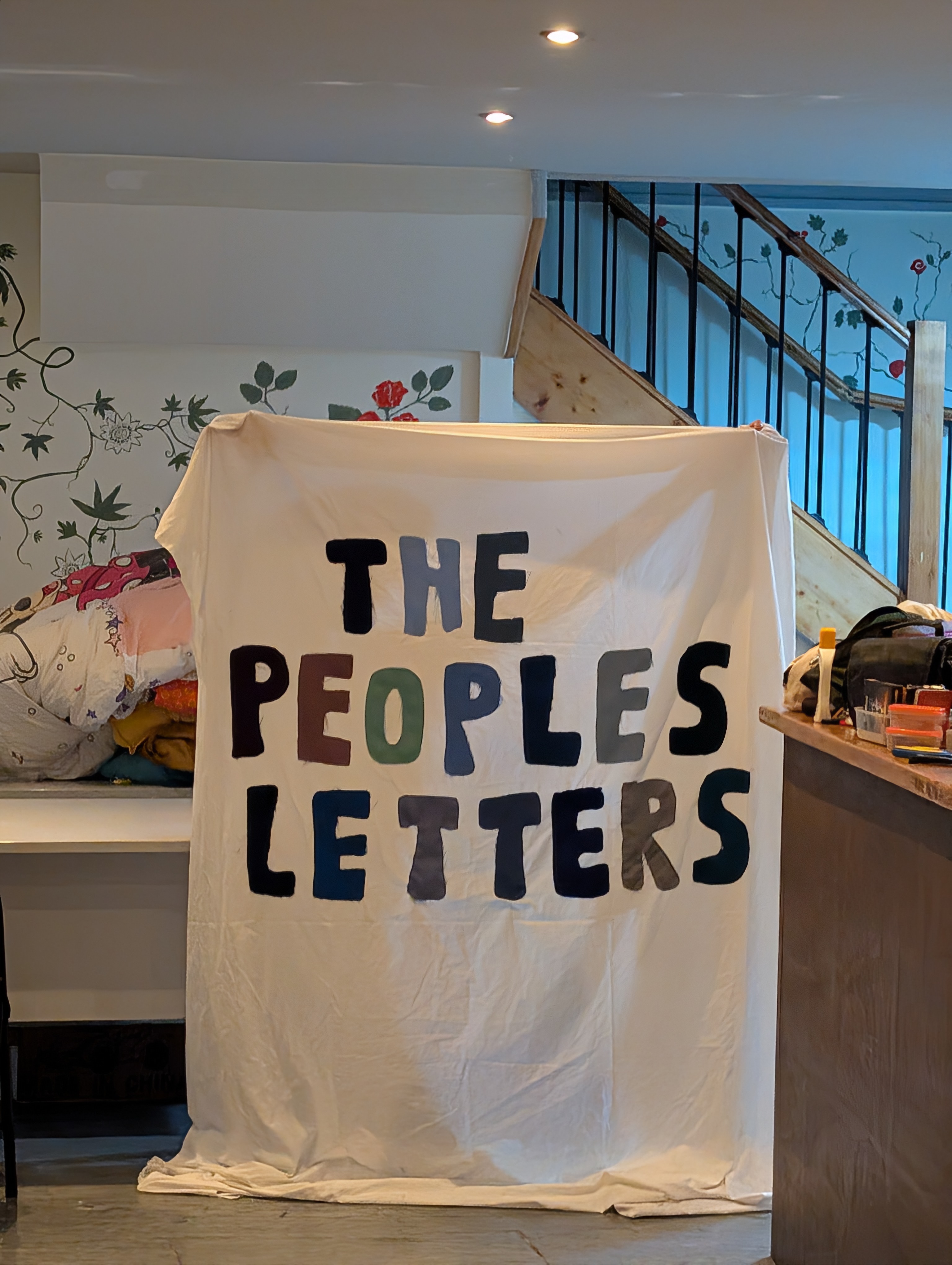
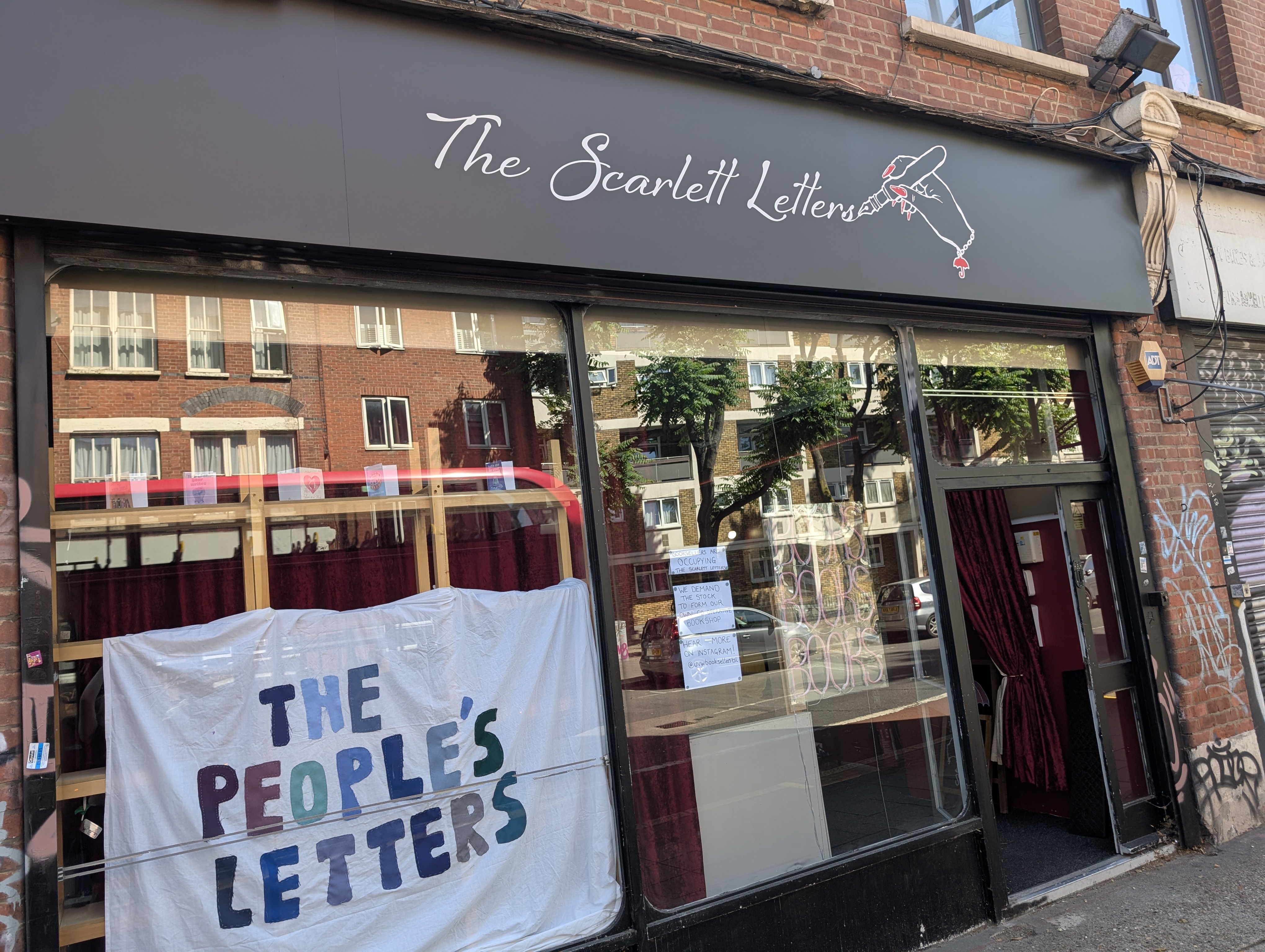
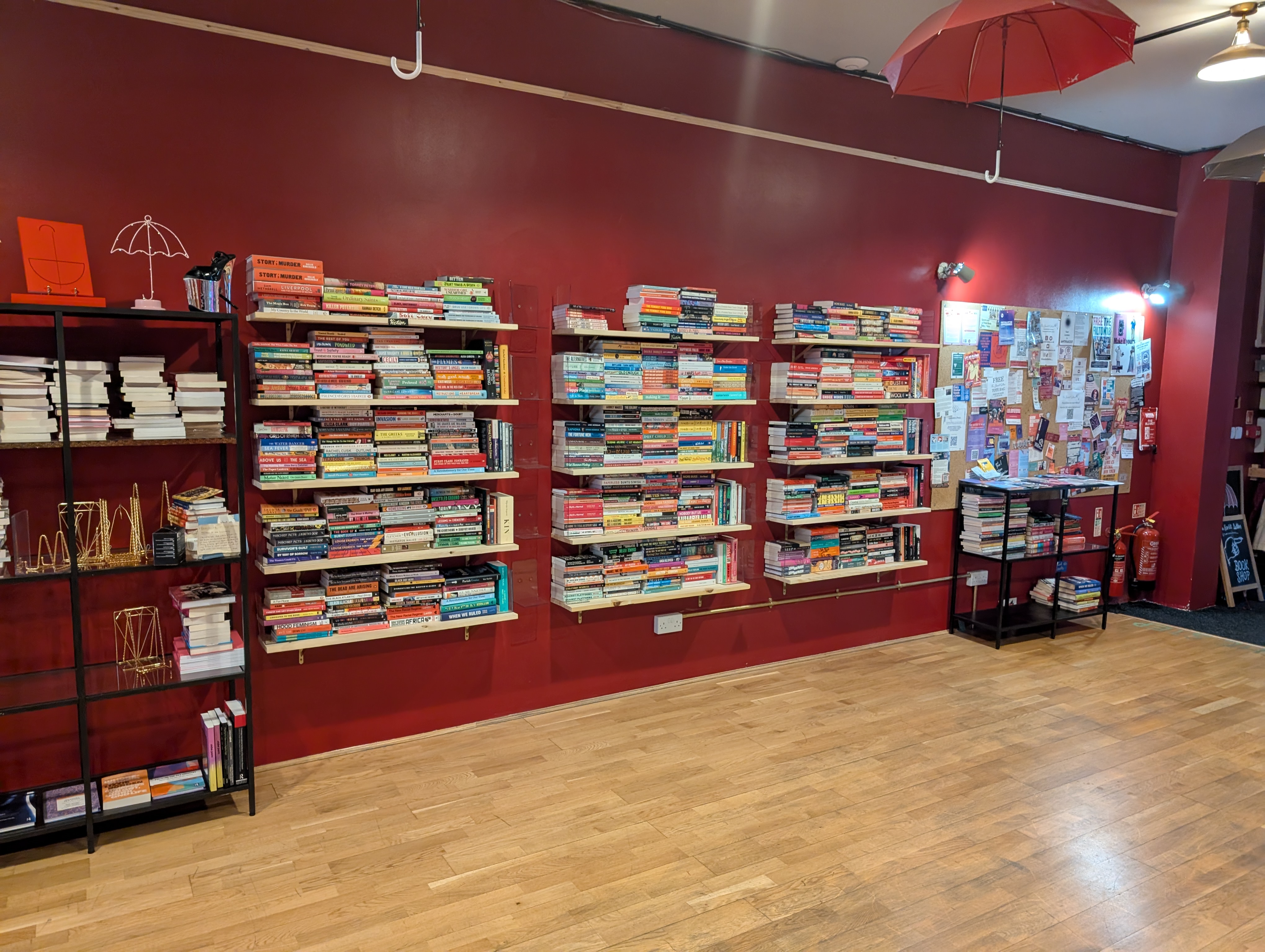
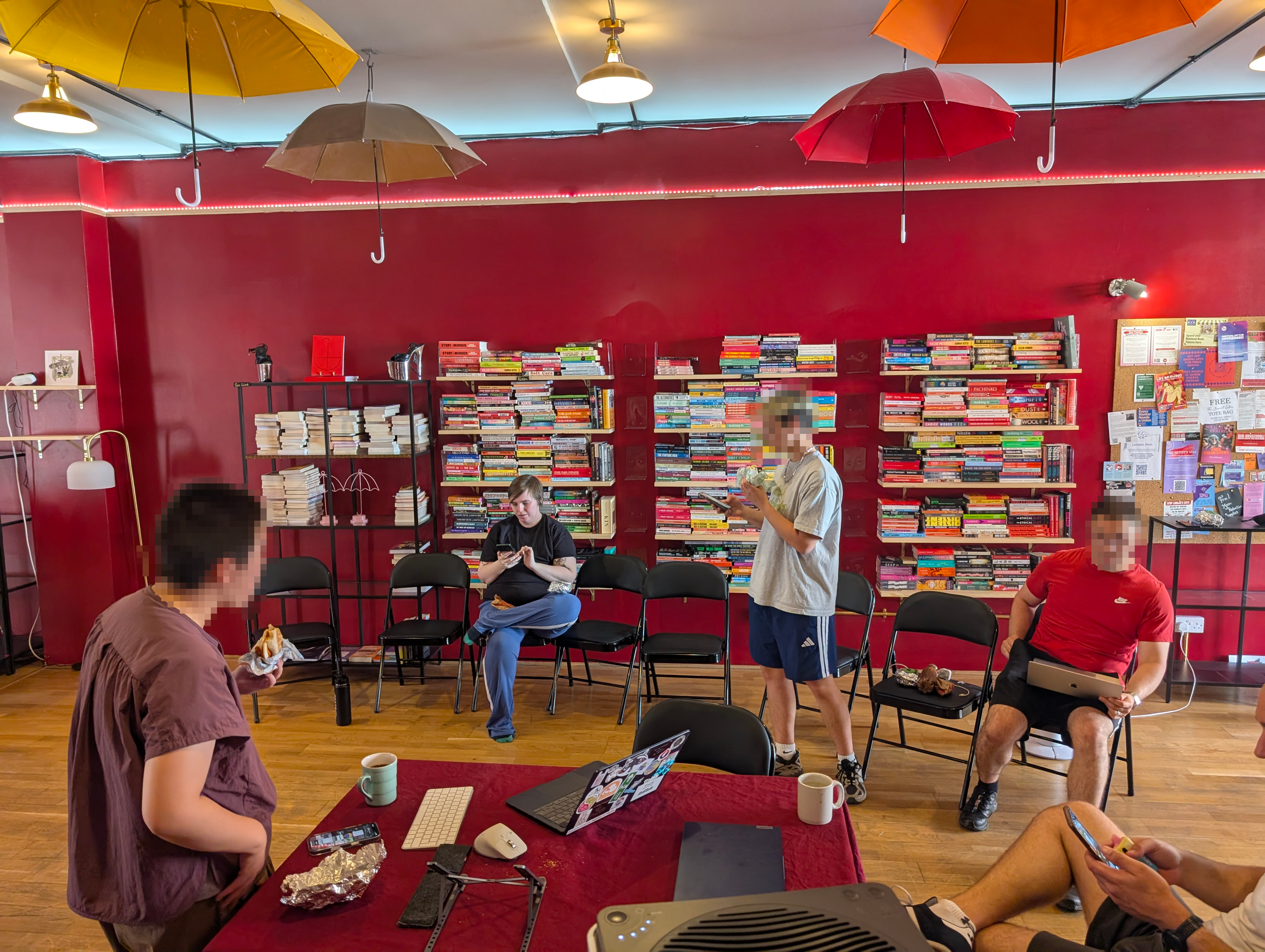
My co-workers are the only reason I managed. We laughed together and cried together through our organizing. Our occupation, aptly named “The People’s Letters”, sparked a nickname for my unborn daughter of Baby Letters. Plans were made for how we’d get through the next month if we had to live in the bookshop 24/7 for that time to protect the stock.
We were the heart of the shop and community space. When our boss wanted to have us escort every person who came in to the toilets and wait for them to come out, due to baseless anxieties about theft, we were the ones pushing for the dignity of those who attended. When our boss complained about a homeless man leaving some of his belongings in our coffee area, we hid them from her sight so she wouldn’t berate him.
I woke up on July 1st to what sounded like a thunderstorm. I was disoriented in the dark, confused, when I saw one of my co-workers get up in a panic and started to process that what I was hearing was far too many sets of footsteps upstairs. We were in our sleep wear, myself in no shirt because of the heat, and I scrambled to get clothes on and make my way to the stairs to see what was going on. I was made slower than my co-workers because of my baby’s weight in my abdomen. It was 4am and I was filled with absolute dread, heart hammering.
The director and those she brought with her were removing everything from the building. As soon as books were off of a shelf on the wall, drills were being used to unscrew it. Most of those in attendance, I did not recognize. I was tremendously disappointed in those I did. Not one person stopped at the sight of us.
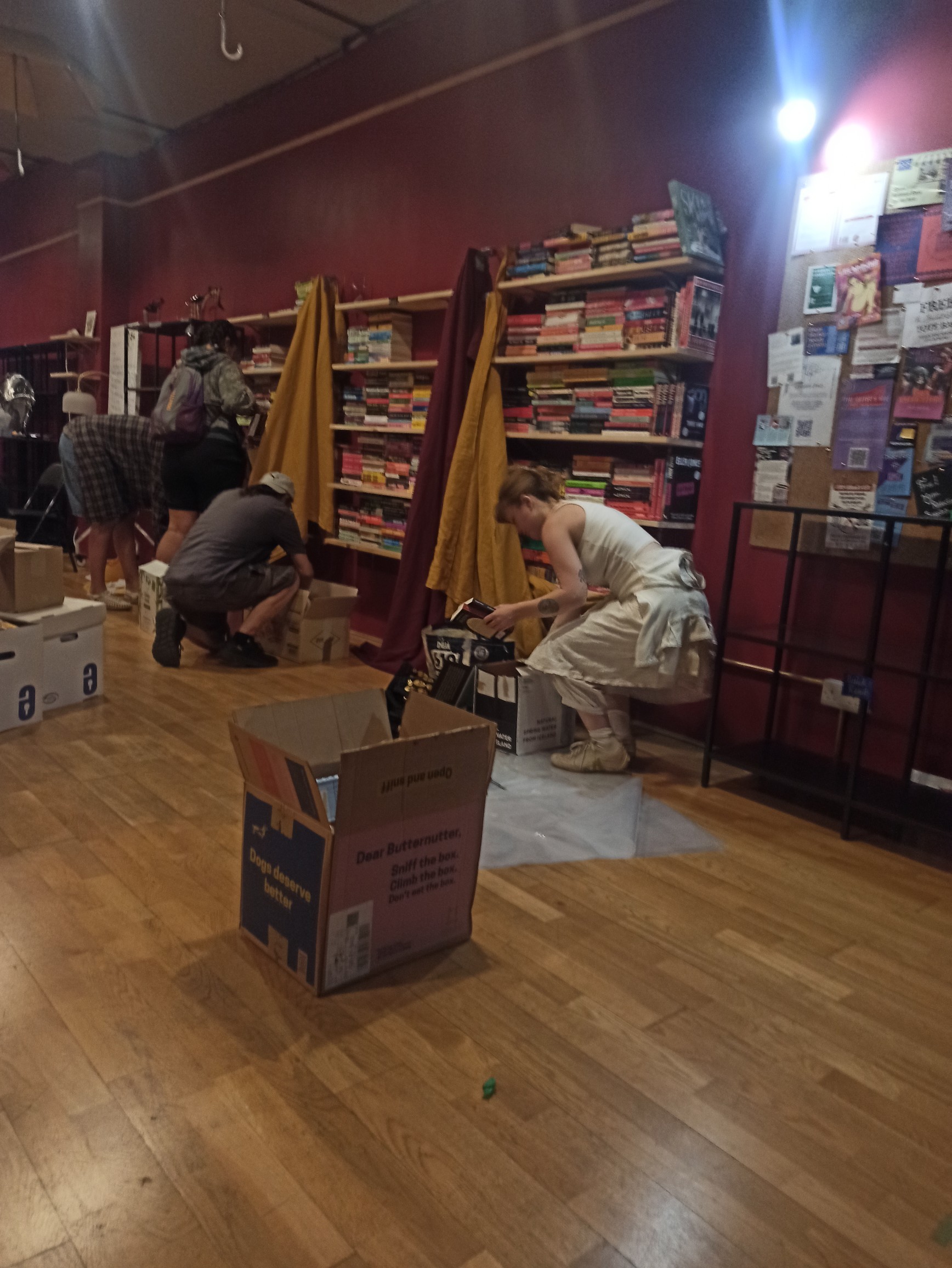
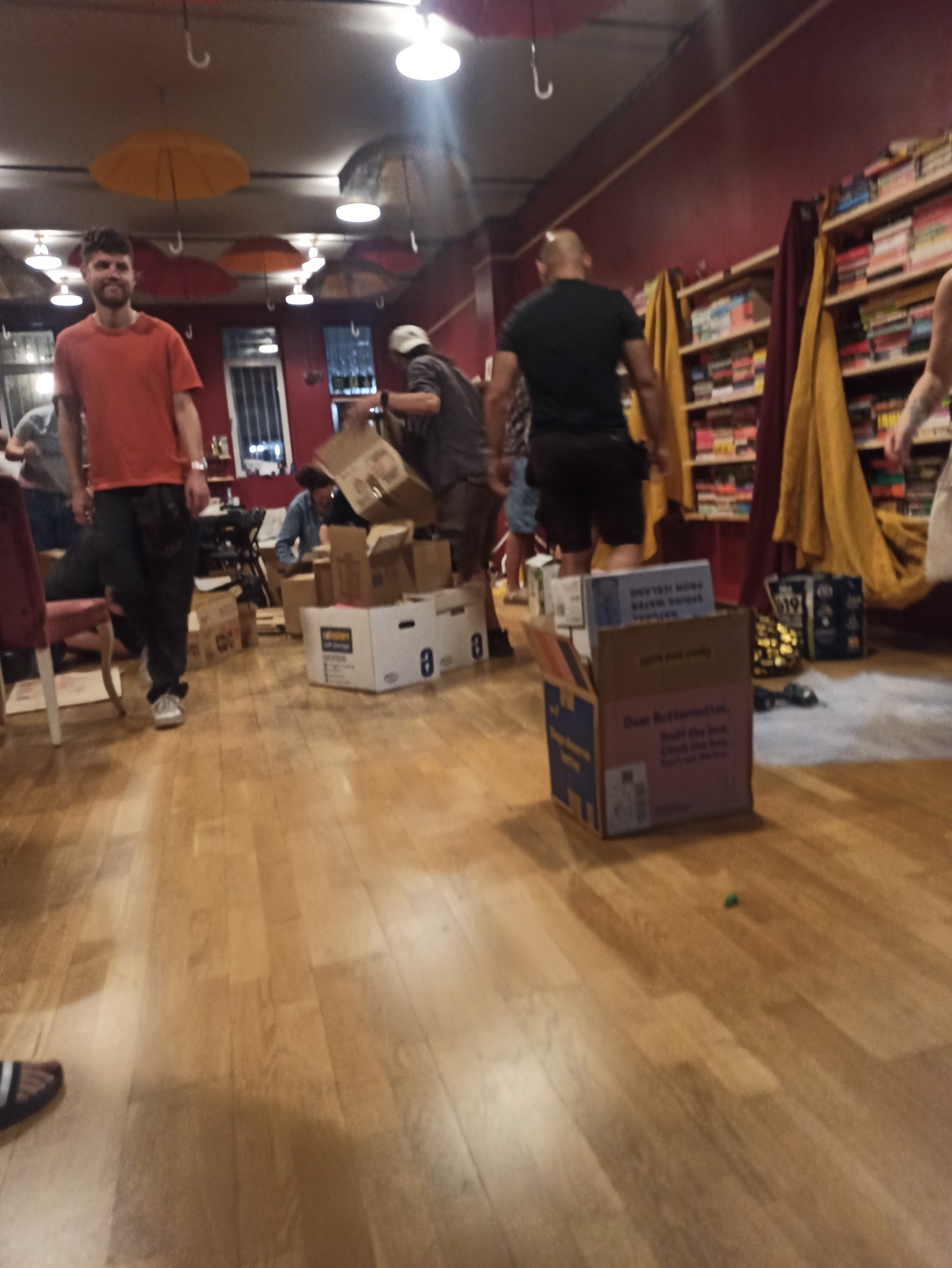
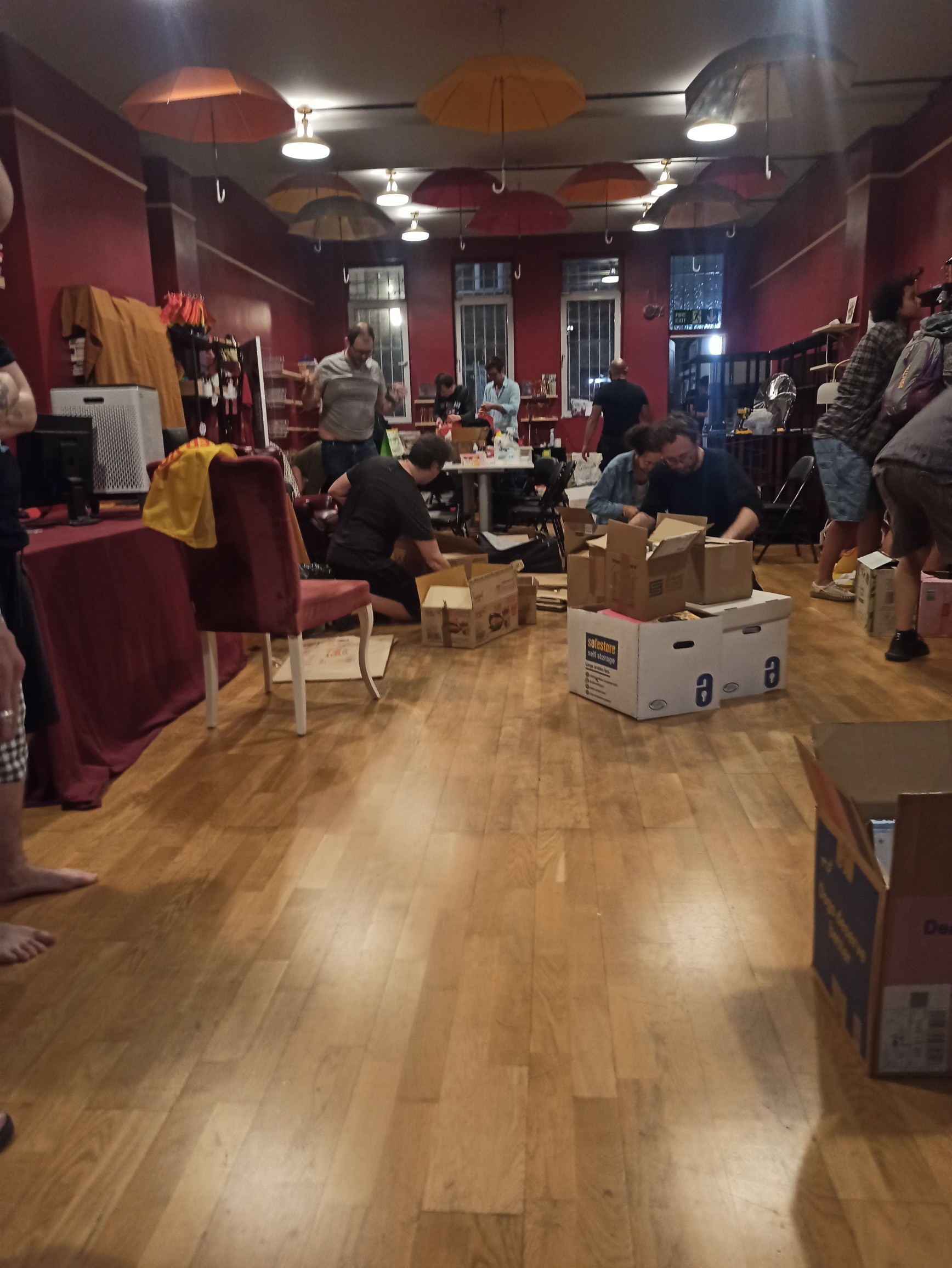
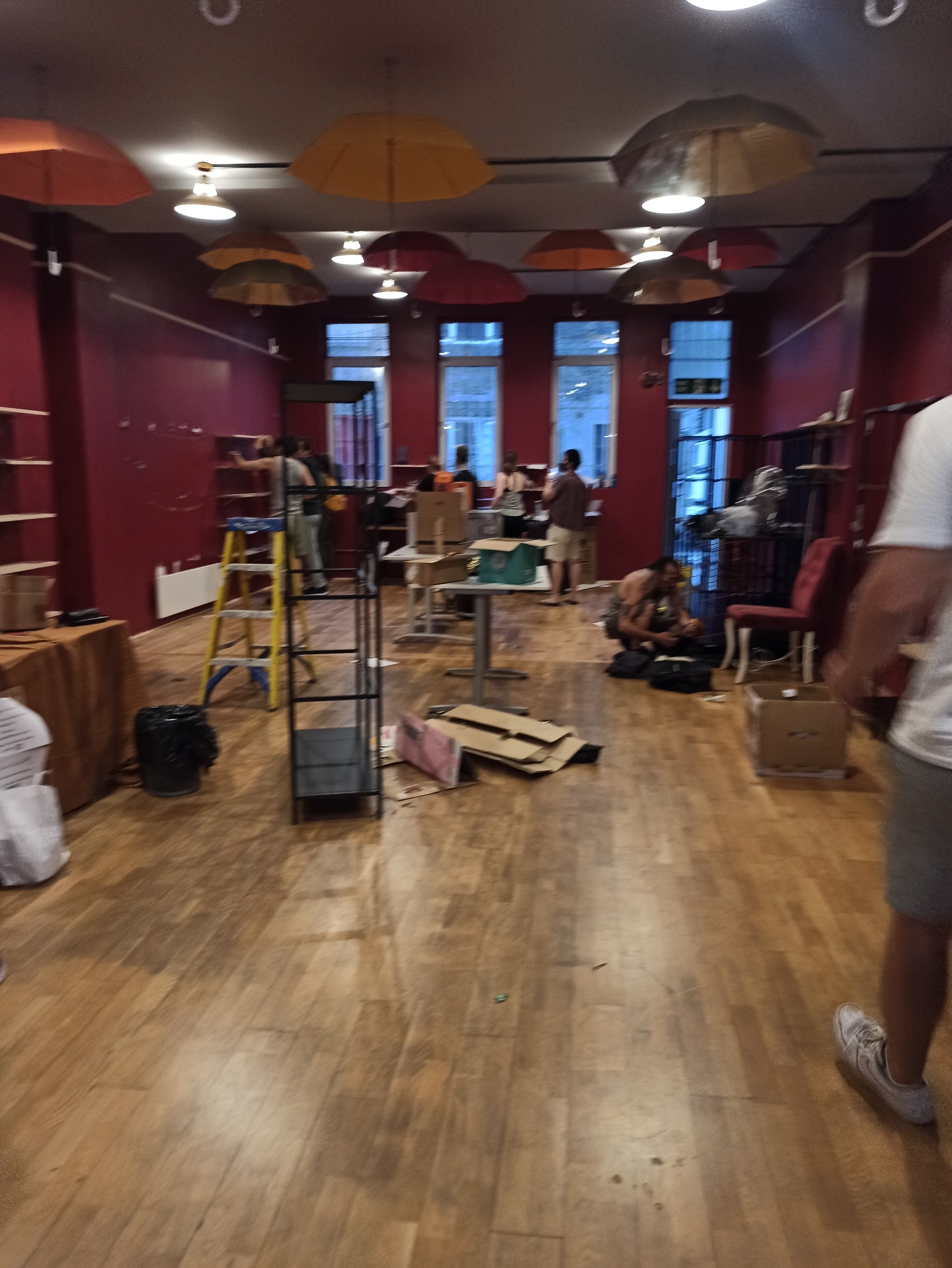
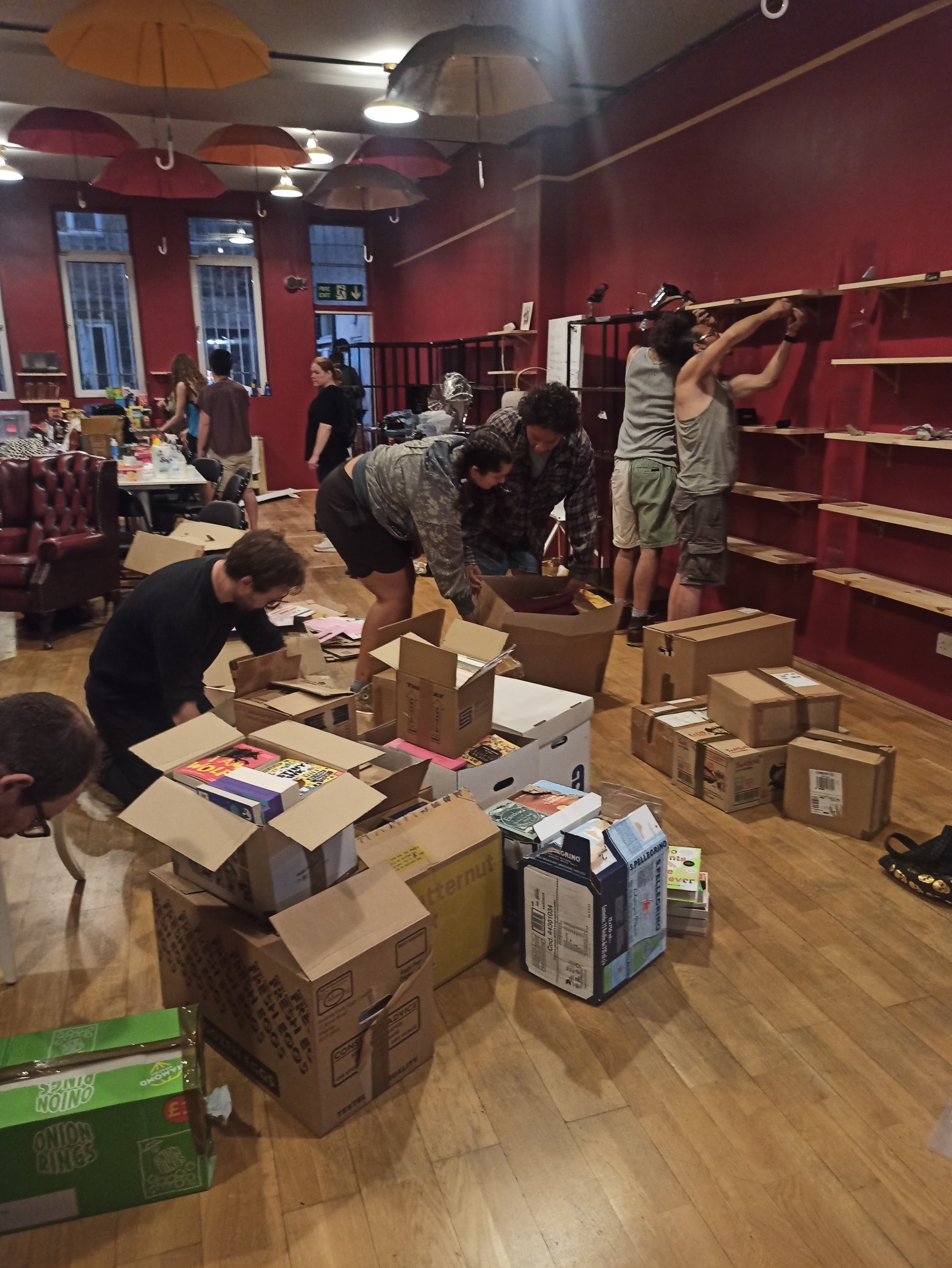
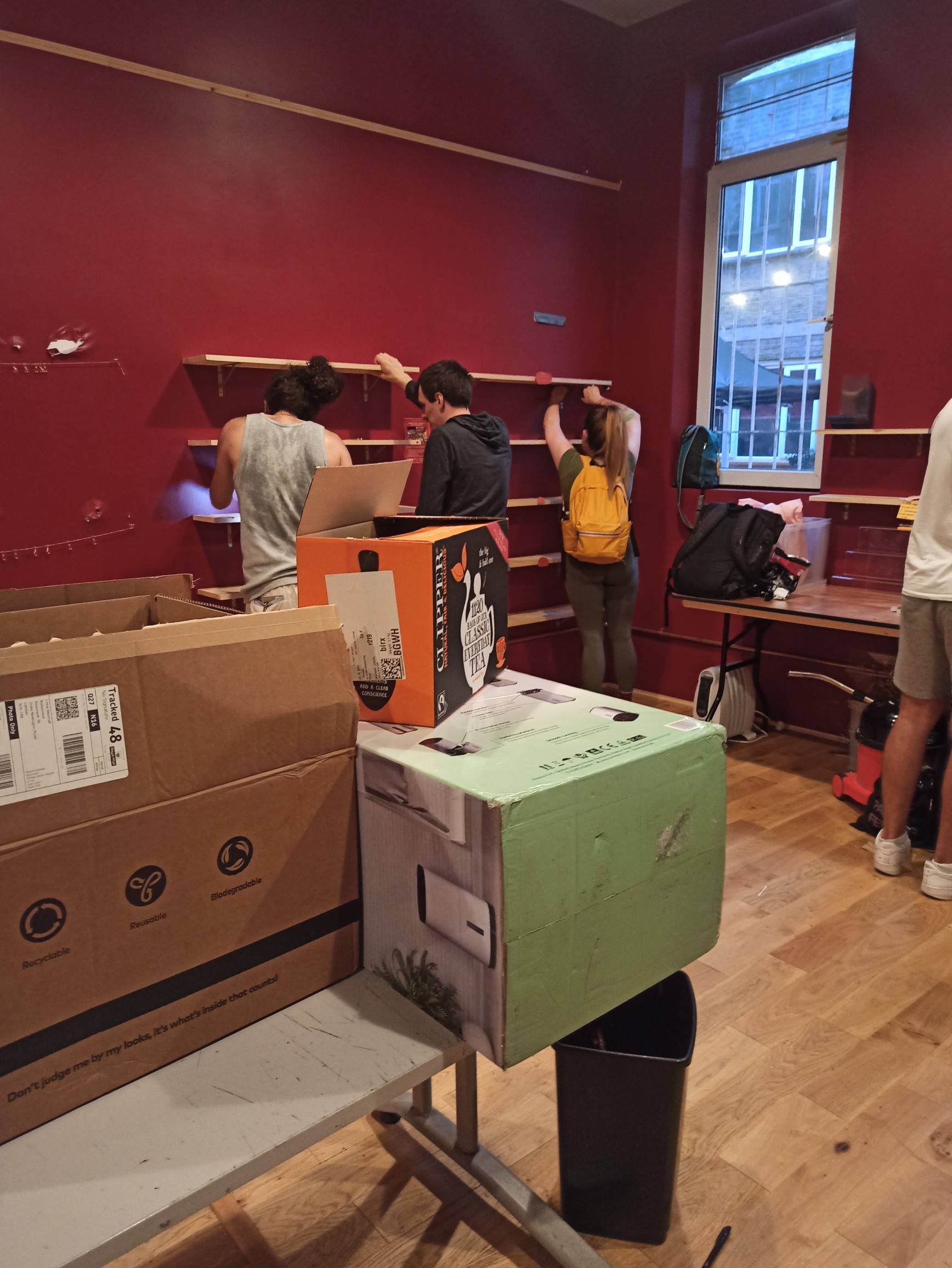
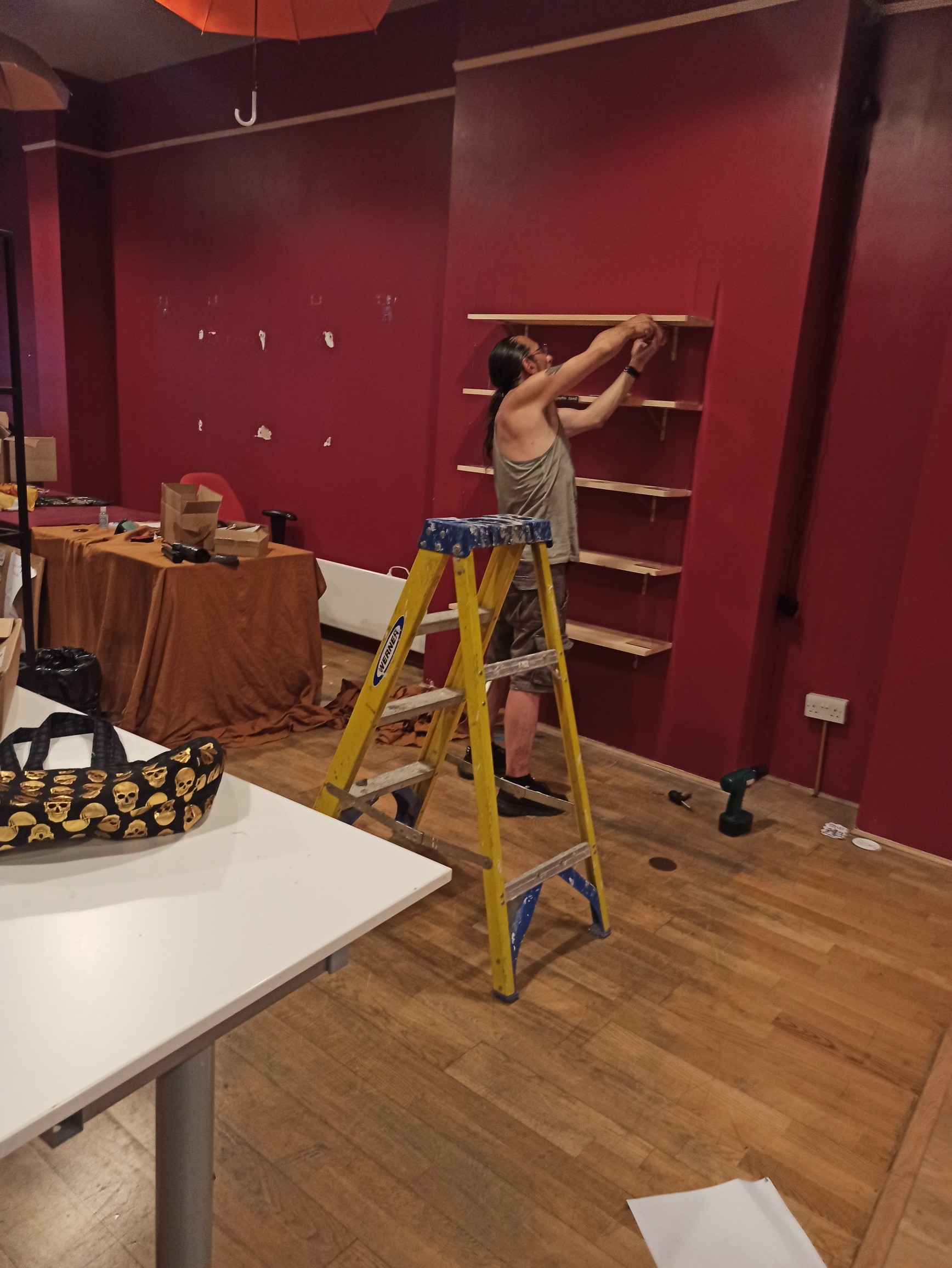
A co-worker livestreamed what was going on. I made frantic phone calls that no-one was awake to answer, besides one co-worker who couldn’t sleep. We walked around, commenting on how disturbing this was to the strangers in our space and dodging power tools ripping apart wooden structures. My baby didn’t move for a while, then began frantically kicking. I alternated between arguing with the people who’d joined a boss in union-busting and staring in shock. Multiple times my boss walked past me, completely ignoring my presence.
Being woken this way, to such a violation of the space we helped to build, did significant psychological damage. I couldn’t sleep for weeks. I had sudden panic attacks. I cried a lot.
Days after the forced entry into the shop, I was in the hospital because midwives were concerned about the high ketones in my urine and unrelenting tachycardia. The stress of the situation contributed massively, though I cannot know whether it was the sole cause. I was monitored over stress-induced pregnancy complications several more times during the following months.
When I share the things I was going through, as one of 12 employees, it isn’t to fish for sympathy. Everyone goes through shit and my co-workers had their own issues to deal with during our employment that also made this time harder for them. I am being open about what I dealt with because I cannot allow the dishonest framing that we were too greedy or too stupid about how businesses work to listen to the director. What I fought for was the bare minimum that I was assured I would be given upon applying for the role, that I needed to survive.
I’ve hesitated to write about this. I wrote and deleted a dozen versions of my account, telling myself it was better to move on. One interview on a podcast episode of TrashFuture that made the timeline of events clear felt like it needed to be enough. Any time I talk about it, I draw more attention to myself to be the target of yet more anti-union attacks. I am held accountable for my boss’ wellbeing in a way she has not once been held accountable for mine and that of my fellow workers. Then she decided to publish a piece in Lumpen, which is supposed to be a journal for working-class writers and their interests, where she said she had nothing to apologize for. I’m so done with holding back for her benefit or out of fear as to how it might make my future employment situation even worse.
When the former director of The Scarlett Letters talks about what happened, she garners sympathy at best and criticism at worst. Material consequences are far less of a concern when you aren’t struggling to make rent or afford formula. The effect on me is that she draws more attention to an incident that makes me less employable and leaves me vulnerable to public attacks. I can’t speak up for myself without those same risks. When an article about us came out in The Times, following up from a poorly-framed article in The Londoner which I agreed to an interview for, I got death threats on social media.
I’m done deleting the drafts of this article. Nothing I write could be a fraction as unreasonable as my white cis property-owning former boss comparing herself to Marsha P Johnson, or as out-of-touch as her making a Harry Potter reference when discussing who took her side in a dispute involving so many trans people. I can’t let it slide that our posts on social media are spoken about as if they almost pushed her to suicide, meanwhile there is no introspection into how many of us were pushed towards those same dark thoughts with the loss of our work and housing. I imagined what it would be like to sell sex a few weeks post-partum, not yet healed and with a huge infection risk, and considered how much easier it would be to die.
The community members around me who offered emotional support and fundraised are the sole reason that my baby and I are safe and together now. They’re the reason that I have two more weeks before I see my first client post-birth and that I have a new bookshop to work at that we all co-own.
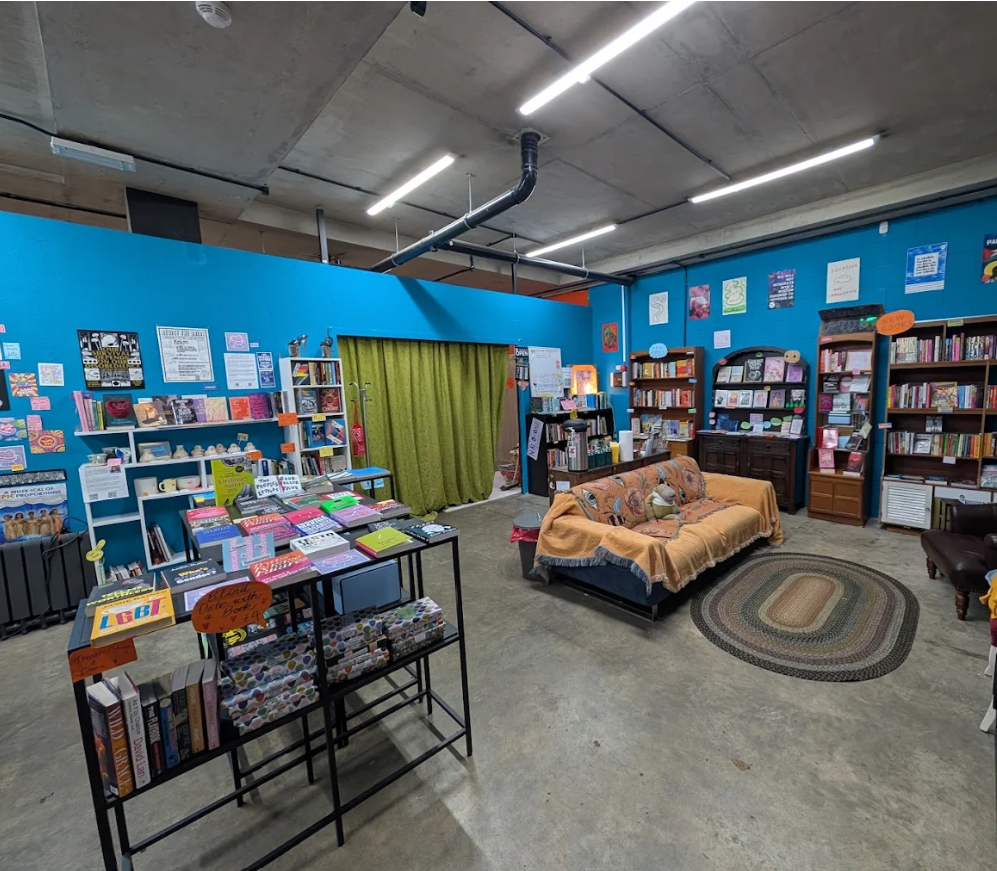
Attempts have continued to be made to destroy what we’ve been building in the aftermath. Rather than give up when we were trodden on, my co-workers and I pooled every skill and resource and contact we had to create a worker co-op bookshop with genuine radical values. The People’s Letters exists because we couldn’t afford to fail.
I do not believe I’ll be able to stop doing sex work for a very long time, if ever. I feel a lot more like it could be possible to take a break if I have another baby, working at The People’s Letters rather than implementing any kind of sex worker exit strategy and putting my faith in people who promise they want to help me sell less sex.
If you want to show your support to The People’s Letters, there are plenty of ways you can do so.
You can find our website here, from which you can buy books and merch. Visit our shop in person at 395 Cambridge Heath Road in London. Donate second-hand books that align with our values. Attend whichever of our events suits you best, from multi-lingual meet-ups to bookbinding to print workshops. Sign up to our Patreon to get involved from afar.
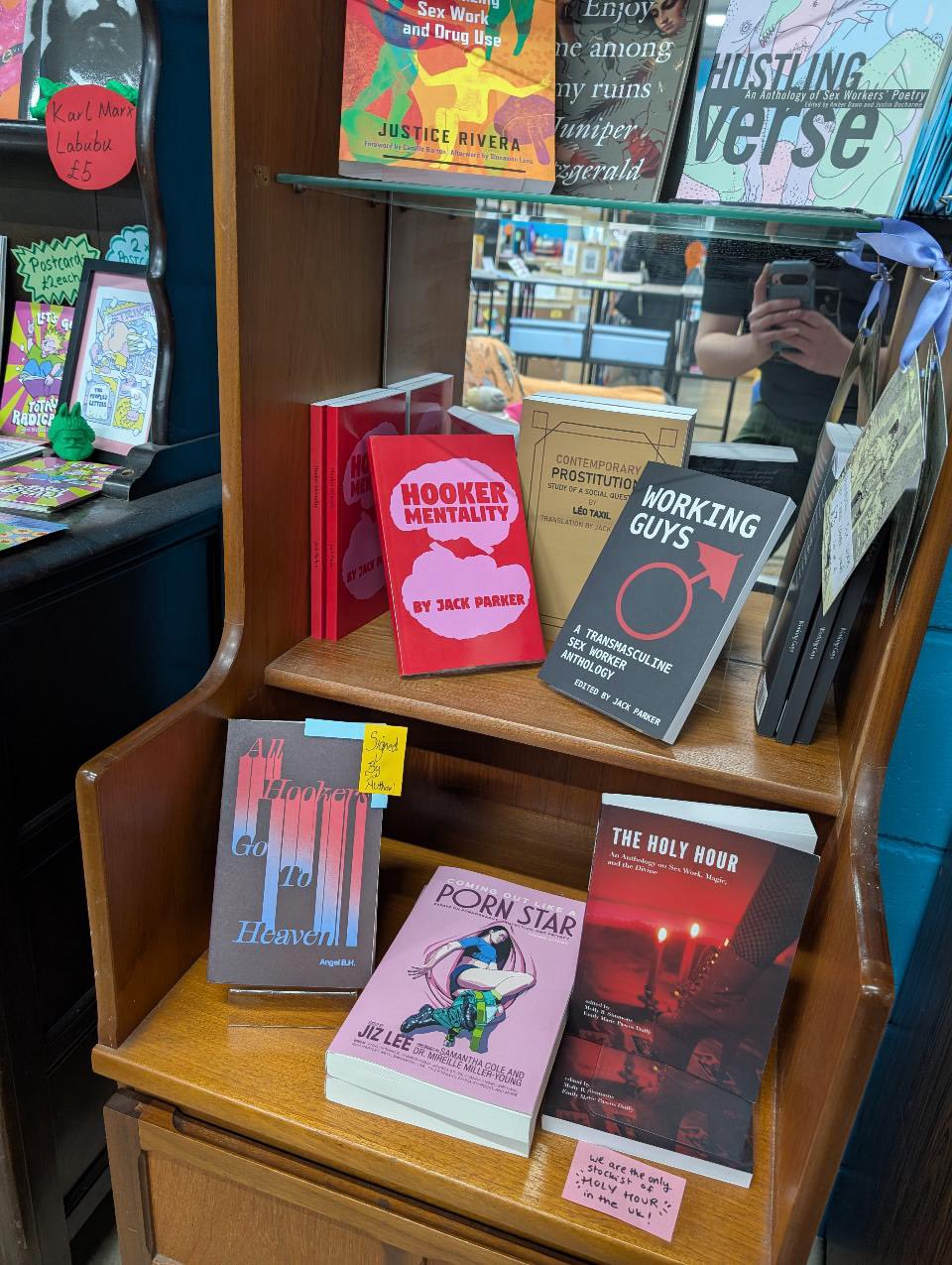

I was fortunate enough to have people crowdfund for me in my time of need, and now my colleague needs help to secure her housing while working tirelessly to make The People’s Letters viable. If you have money to spare for someone facing difficulty as a result of this union-busting, offer it here:


One thought on “Why So Many Sex Work Exit Strategies Fail: Lessons from The Scarlett Letters”