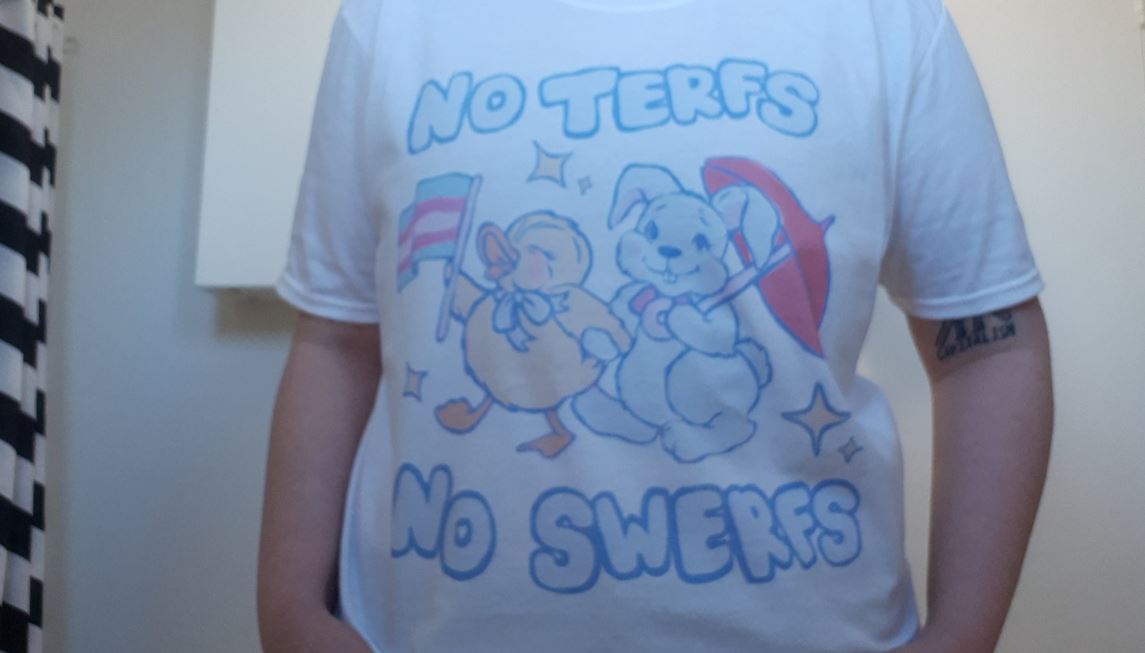
In simple terms, a SWERF is a Sex Worker Exclusionary Radical Feminist. SWERFs generally see prostitution as a form of violence against women and girls, not as a form of work, and believe that sex workers are victims whose consent is negated by the transactional nature of selling sex.
As a result of beliefs about sex work not being a form of work, alongside viewing selling sex as always victimizing sex workers inherently, SWERFs usually support legal models like the Nordic Model. This means they support criminalizing clients and want to encourage people to leave prostitution.
Since discussions about sex worker rights have blown up with widespread discussions about platforms like Onlyfans, more people have at least a vague idea about laws and attitudes surrounding prostitution. Among left-wing people in particular, those who might never have put much thought into the existence of sex work are suddenly starting to discuss it more and more. This leads us to a problem, because of the suddenness with which many people have become interested in the politics around sex work: they don’t know what the fuck they’re talking about.
For those who know very little about the fight for sex worker rights, “SWERF” simply becomes synonymous with “anti-prostitution”. While that might not seem like a huge problem on the face of it, it is for various reasons, not the least of which being that sex workers ourselves can often sound very “anti-prostitution”.
There are plenty of people who see prostitutes as sinners deserving of punishment and who want anyone who sells sex to be criminalized. They are anti sex work but they certainly aren’t related to any sort of feminism, nor do they see sex workers as victims. There are also misguided but well-meaning people who wish to see sex work regulated, imagining that will be safer. Other groups see sex workers as a resource they can objectify and want whatever legal model they believe will allow them to purchase sex for the lowest price and lowest risk to themselves. All of these people want things that harm sex workers and do not have interests aligned with the sex worker rights movement… none should be referred to as “SWERFs”.
I know that I’ve been called a SWERF many times, as have other sex workers I know, just for expressing my dislike of my own job.
The way in which sex work is different to most other forms of work is not inherent to the act of transactional sex, it is caused by stigma and criminalization. The belief that sex is somehow universally considered special or intimate by everyone, as compared with various other things one can do with their body to earn money, is the idea which permeates so many of the arguments SWERFs make. If someone is actively expressing that there are a myriad of problems within sex work but that sex work itself is not the issue, the chances are low that they support a legal model which would make those things worse.
Rather than a focus on labelling people as SWERFs, which is something better determined by sex workers ourselves or argued out among feminists, those who claim to support sex workers should be listening to what we want and what is best for us. Whether the person they’re arguing with subscribes to a certain specific ideology or not, if they oppose decriminalization then whatever they’re advocating for instead is going to do sex workers harm (to varying degrees).
Learning about the legal models for sex work would make it so much easier for people to spot who is using their arguments to justify harm, but instead the focus ends up being on empowerment vs victim narratives. People who talk about sex work as being empowering are seen as “pro sex work” and people who frame sex workers as all being victims are seen as “anti sex work” which is often treated as synonymous with “SWERF”. The reality is that someone can think it’s fucked up that anyone is compelled to sell sex by their economic circumstances, recognize that this is one of the most common reasons people sell sex, and still support those same sex workers and want them to have rights.
Due to a lack of understanding about the issues sex workers face or various legal models, coupled with a strong desire to perform allyship towards us as a group (often out of guilt over consuming porn or seeing sex workers), the average person cannot distinguish a SWERF talking point from one that is simply critical of the current circumstances for sex workers.
Some examples, to illustrate what I’m talking about:
“Prostituted women are coerced into selling sex by poverty, and sex that occurs alongside any form of coercion is rape, so all prostitution is rape.” – This is SWERF rhetoric. This statement calls sex workers “prostituted” and negates our choices and autonomy. It specifically assumes all sex workers are women. The conclusion that all sex work is rape on the basis that coercion is occurring due to poverty is an argument that misunderstands the complexities of consent entirely. People who do not enjoy selling sex but do so due to financial need are indeed being coerced to work by poverty, though they are still making the choice to do sex work specifically as the response to that and this kind of coercion is not inherently different to the coercion to work in any field. If I choose to work in construction to avoid poverty, is my consent negated to render me effectively a slave? No. Consent is more complex than that.
“Sex workers, who are predominantly women, are often pushed into doing sex work by poverty. This leaves sex workers vulnerable to rape.” – This is no SWERF rhetoric. Sex workers are indeed predominantly women. The main factor that causes people to engage in selling sex is poverty. The stigma and criminalization sex workers face hugely increases our risk of assault, especially when we are poor and desperate.
“Prostitution isn’t work.” – SWERFs believe this, as do other groups of people who are anti-prostitution. This may be based on sex work not being considered work due to the fact it is illegal where the speaker is from, or SWERFs would claim that selling sex is inherently different to other types of services and that it treats the body as a commodity. I would point out that selling sex is not literally selling one’s body – the service of sex is being sold, not the right to do anything someone wants with their body.
“Sex work isn’t skilled labour.” – This is not SWERF rhetoric. Something does not need to be skilled labour for it to be work. A large part of the appeal of sex work and the reason so many people turn to it when they run out of other options is that the barrier to entry is so low. While someone can be more or less successful at it depending on what skills they have, someone doesn’t need to have any skills or qualifications to start.
One of the most frustrating misunderstandings about what is and is not SWERF rhetoric is specifically around the topic of clients. Hating clients is not something exclusive to SWERFs.
So many sex workers dislike our jobs, just like people who work in customer service industries. All the time you’ll see wait staff or bartenders or till operators complain about “customers” as a general group. Sex workers do the same thing! In the case of sex work, the average client is much more likely to harm us than the average customer is to harm a retail or hospitality worker, and so we’re likely to complain more and do so in a harsher manner. It’s as simple as that.
Sex workers already have to be careful about where we express our issues with clients, since expressing our complaints or concerns where clients can see means we’ll make less money. On top of that, even when we make anonymous accounts to complain, we have to contend with SWERFs trying to use our trauma to argue for the removal of our rights or the refusal to grant them to us. We need to be able to express ourselves without fear of being labelled as SWERFs alongside the people who would do us harm.
 Jack Talks About Sex Work